

Introduction
Artificial Intelligence is no longer just a futuristic idea it is already shaping how we work, create, and earn online. Among all AI technologies, Generative AI is creating the biggest impact.
From writing blogs and designing images to building tools and automating businesses, Generative AI is changing everything. Whether you are a content creator, developer, marketer, or entrepreneur, understanding Generative AI is no longer optional it is essential.
What Is Generative AI?
Generative AI is a type of artificial intelligence that can create new and original content instead of only analysing or classifying existing data.
Unlike traditional AI systems that focus on predictions or decisions, Generative AI can generate:
- Text (articles, emails, scripts)
- Images (artwork, thumbnails, logos)
- Audio (music, voiceovers)
- Video (short clips, animations)
- Code (websites, tools, applications)
In simple words:
Generative AI learns patterns from data and then uses those patterns to create something new.
That is why it feels so human like.
How Does Generative AI Work?
Generative AI works through advanced machine learning models, especially deep learning neural networks.
Here is a simplified explanation:
1. Data Training
Generative AI models are trained on massive datasets that include:
- Text from books, articles, and websites
- Images, videos, and designs
- Code repositories
- Audio and speech samples
The AI does not memorise data it learns patterns, structures, and relationships.
2. Model Learning
During training, the AI learns:
- How words relate to each other
- How images are structured
- How code logic works
- How styles and tones change
This learning process happens using neural networks that continuously adjust themselves.
3. Prompt Based Generation
Once trained, the AI responds to prompts (instructions).
For example:
- “Write a blog about Generative AI”
- “Create a professional logo”
- “Generate JavaScript code”
The AI predicts the most relevant output based on learned patterns.
4. Continuous Improvement
Modern Generative AI systems improve over time through:
- User feedback
- Updated training data
- Better algorithms
This is why AI outputs keep getting better every year.
Why Is Generative AI Important?
Generative AI is important because it solves real-world problems at scale.
Time Efficiency
Tasks that once took hours can now be completed in minutes.
Cost Reduction
Businesses save money on:
- Content creation
- Design
- Development
- Customer support
Accessibility
People without technical skills can now:
- Build websites
- Create designs
- Automate workflows
Creativity Boost
Generative AI does not replace creativity it enhances it.
Key Features of Generative AI
Here are the most important features that make Generative AI powerful:
1. Content Creation
Generates high-quality text, images, and media on demand.
2. Customisation
Outputs can be tailored by:
- Tone
- Style
- Language
- Format
3. Automation
Repeating tasks can be fully automated.
4. Scalability
One AI system can serve thousands of users at the same time.
5. Multilingual Support
Generative AI can create content in multiple languages.
6. Rapid Experimentation
Ideas can be tested quickly without high investment.
Why Should You Use Generative AI?
If you are still not using Generative AI, you are already falling behind.
Here’s why you should start using it today:
Faster Workflow
Complete tasks 5x–10x faster.
Better Productivity
Focus on strategy while AI handles execution.
Competitive Advantage
Early adopters always win in digital markets.
Skill Enhancement
AI helps you learn while working.
Benefits of Generative AI
1. Saves Time
No need to start from scratch.
2. Reduces Cost
Less dependency on large teams.
3. Improves Consistency
Maintains quality across content.
4. Increases Output
Produce more without burnout.
5. Empowers Solo Creators
Individuals can now compete with big companies.
How to Build a Generative AI Tool
Building a Generative AI tool may sound complex at first, but in reality, it’s a structured process, not magic. You don’t need to be a genius or a PhD researcher. With the right approach, tools, and mindset, any motivated creator or developer can build one.
Let’s break it down in a simple, practical, and realistic way.
Step 1: Clearly Define the Purpose of Your Generative AI Tool
Before touching any code or AI model, ask yourself one simple question:
What problem will my Generative AI tool solve?
A successful AI tool is not about technology it’s about usefulness.
Examples of Clear Tool Ideas:
- AI Blog Writer → helps people write articles faster
- AI Image Generator → creates visuals for marketers
- AI Code Generator → helps developers write code
- AI SEO Tool → optimises content for search engines
Tip:
Don’t try to build “everything.”
Start with one clear function, solve it well, then expand later.
Step 2: Decide What Type of Content Your AI Will Generate
Generative AI tools usually fall into these categories:
- Text-based AI (blogs, emails, scripts)
- Image-based AI (designs, thumbnails)
- Audio-based AI (voice, music)
- Video-based AI (short clips, animations)
- Code-based AI (web tools, scripts)
For beginners, text-based or image-based tools are the easiest to start with.
Step 3: Choose the Right AI Model (The Brain of Your Tool)
Your Generative AI tool needs a model—this is the brain that creates content.
You have two practical options:
Option 1: Use Pre-Trained AI Models (Recommended)
This is the fastest and most popular approach.
- No need to train from scratch
- Saves time and cost
- High-quality results
Most successful AI tools today use existing AI APIs and build smart features around them.
Option 2: Train Your Own AI Model (Advanced)
This requires:
- Huge datasets
- Powerful servers
- Deep ML knowledge
Best only if you’re building something very unique.
For most creators, using existing models is the smartest move.
Step 4: Design the Workflow
Before coding, visualise the user journey.
Example Workflow:
- User opens your website
- Enters a prompt (instruction)
- Clicks “Generate”
- AI processes input
- Output appears on screen
Simple tools win because users don’t want complexity.
Rule:
If your grandmother can understand how to use it, your tool is perfect.
Step 5: Build the Backend (Where AI Logic Runs)
The backend is where:
- Prompts are processed
- AI model is called
- Results are returned
Common Backend Responsibilities:
- Receive user input
- Send prompt to AI model
- Get generated response
- Apply filters or formatting
- Return clean output
You don’t need to reinvent the wheel just connect logic smartly.
Step 6: Create a Simple and Clean Frontend
Your frontend is what users see and interact with.
Key Elements:
- Input box (prompt field)
- Generate button
- Output display area
- Copy / Download option
Important UX Tips:
- Fast loading
- Minimal distractions
- Clear instructions
A beautiful but confusing UI fails.
A simple and clear UI wins.
Step 7: Add Prompt Engineering (The Secret Sauce)
Prompt engineering means guiding the AI properly so outputs are useful.
Instead of:
“Write content”
Use:
“Write a 1000-word SEO-optimised blog in a professional but friendly tone.”
This small difference creates huge quality improvements.
Great AI tools are not smarter models—they use better prompts.
Step 8: Add Controls & Customisation Options
Users love control.
You can add:
- Tone selection (formal, casual)
- Length options (short, medium, long)
- Language selection
- Style preferences
This makes your tool feel premium and personalised.
Step 9: Test, Improve, and Fix Weak Points
No AI tool is perfect on day one.
Test for:
- Wrong or irrelevant outputs
- Slow response time
- Confusing UI
- Prompt errors
Collect feedback and improve gradually.
Iteration is more important than perfection.
Step 10: Deploy Your Generative AI Tool Online
Once ready:
- Host your backend
- Deploy frontend
- Connect domain
- Secure API keys
Make sure:
- Tool works on mobile
- Load time is fast
- Errors are handled properly
Step 11: Monetise Your Generative AI Tool
Once users love your tool, monetisation becomes easy.
Popular Monetisation Methods:
- Subscription plans
- Credit-based usage
- Freemium model
- Ads (for free tools)
- Lifetime deals
- Affiliate partnerships
Start free → build trust → charge later.
Step 12: Scale and Add Advanced Features
After success, you can add:
- User accounts
- History & saved outputs
- Team collaboration
- API access
- Advanced analytics
This is how small tools become full AI SaaS businesses.
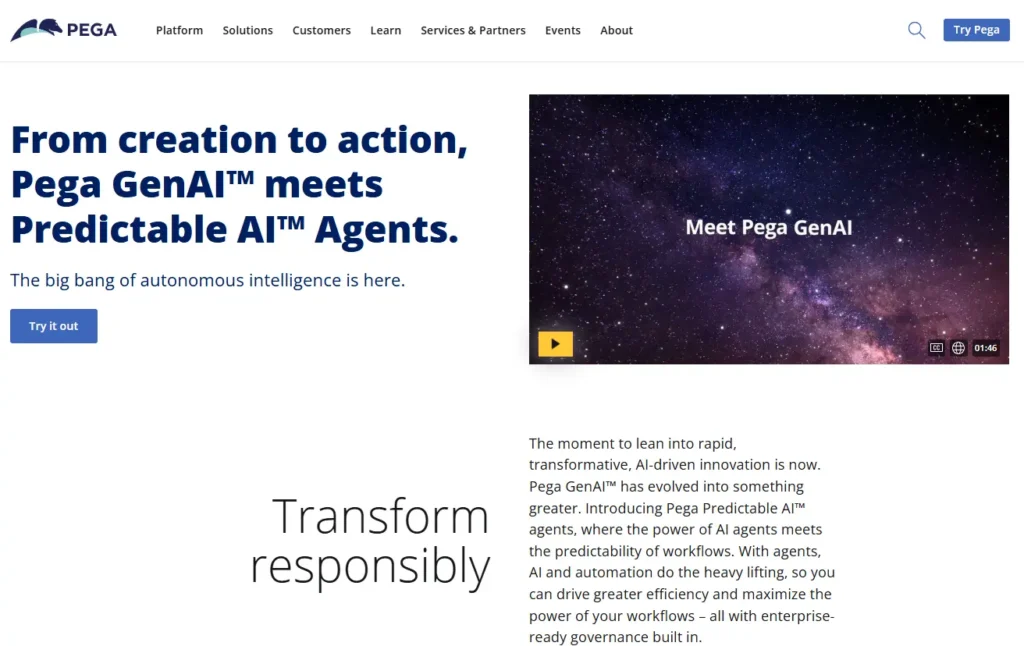
Here is an image given below which you can see and understand how your tool site will be made and you can also visit to this website and see how it works by clicking on this link- Generative Ai
How People Are Making Money Using Generative AI
This is where Generative AI becomes truly powerful.
1. Content Creation Services
People are earning money by offering:
- Blog writing
- SEO content
- Email marketing
2. Freelancing
Freelancers use AI to:
- Deliver faster
- Handle more clients
- Increase income
3. YouTube & Social Media
AI is used for:
- Script writing
- Thumbnails
- Video ideas
4. Tool & SaaS Development
Developers create:
- AI-based tools
- Online generators
- Automation software
5. Affiliate Marketing
AI helps with:
- Review articles
- Comparison blogs
- Landing pages
6. Online Courses & eBooks
Creators use AI to:
- Write course content
- Design materials
- Scale knowledge products
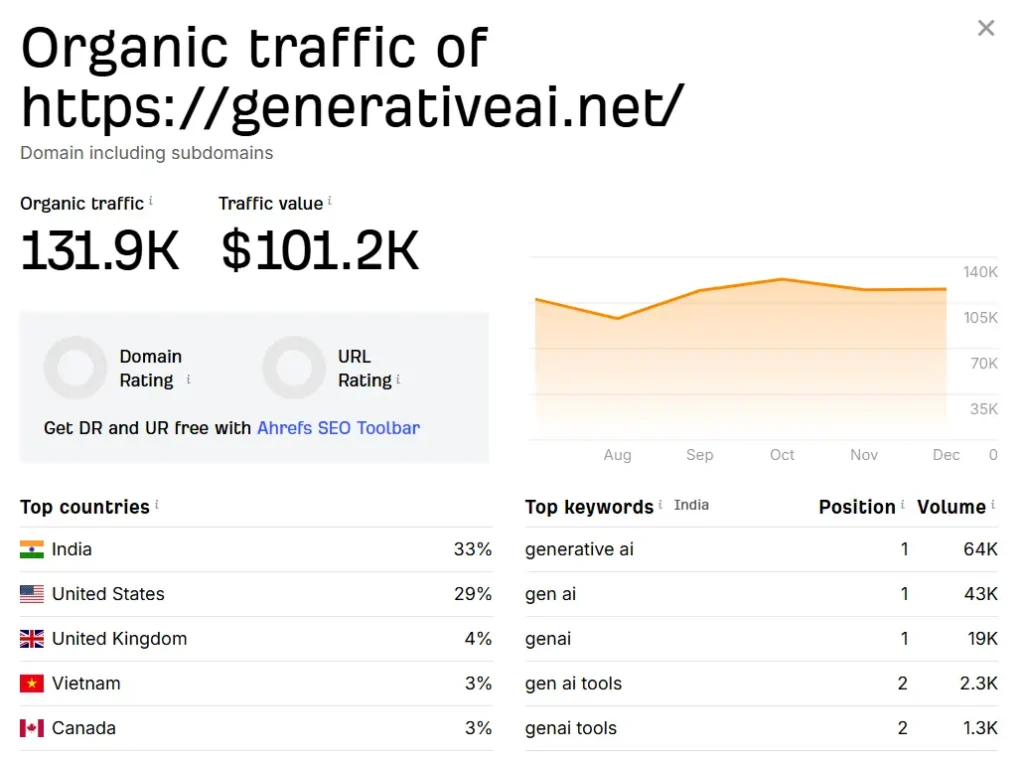
If you want to learn how to create a generative Ai Tool,Then according to me, Skillgenerator is the best platform for learn this. here is a live example through image of earning from Generative Ai tool-
Real-World Use Cases of Generative AI
- Bloggers writing SEO content
- Designers creating logos and creatives
- Developers building tools faster
- Businesses automating customer support
- Educators creating learning materials
Challenges and Limitations of Generative AI
While powerful, Generative AI has limitations:
- Requires human supervision
- Can generate incorrect information
- Ethical concerns around originality
- Data privacy issues
That’s why human + AI collaboration is the best approach.
Conclusion
Generative AI is not just a technological upgrade—it represents a complete transformation in the way humans create, think, and work. What makes Generative AI truly powerful is not its ability to replace humans, but its capacity to amplify human potential. Tasks that once required large teams, long hours, and heavy budgets can now be achieved faster, smarter, and more efficiently with the right use of AI.
Throughout this journey, we’ve seen that Generative AI is capable of producing text, images, code, audio, and videos with impressive accuracy and creativity. But its real value lies in how it democratises creation. Today, a solo creator, freelancer, or small business owner can compete with big companies simply by using Generative AI intelligently.
From a practical perspective, Generative AI has become essential because it:
- Saves time and operational costs
- Boosts productivity and creativity
- Makes advanced technology accessible to everyone
- Opens new income and business opportunities
People across the world are already earning money by using Generative AI for content creation, freelancing, SaaS tools, digital products, marketing, and automation. This proves that Generative AI is not just about innovation—it is about real, measurable impact.
However, it is equally important to remember that Generative AI works best when guided by human judgment. Ethical usage, originality, fact-checking, and creativity must always remain in human hands. The future does not belong to AI alone—it belongs to humans who know how to work with AI.
Looking ahead, Generative AI will continue to evolve, becoming more accurate, personalised, and deeply integrated into our daily lives. Those who start learning and experimenting with it today will have a strong advantage tomorrow.
In conclusion, Generative AI is not a trend you should watch from a distance—it is a tool you should embrace, learn, and master. When used wisely, it has the power to transform skills into income, ideas into products, and effort into scalable success.
Humanize 329 words
