

In today’s competitive digital world, writing content is not enough. You need to write content that search engines understand and users love. This is where an NLP Content Optimizer Tool becomes extremely powerful.
Traditional SEO focused mainly on keywords, but modern SEO is driven by intent, context, and meaning. Google now uses Natural Language Processing (NLP) to understand content almost like a human. If your content is not optimised for NLP, ranking becomes difficult even if your writing is good.
What Is an NLP Content Optimizer Tool?
An NLP Content Optimizer Tool is an advanced SEO tool that uses Natural Language Processing (NLP) to analyse, improve, and optimise content based on semantic relevance and search intent, not just keywords.
Instead of asking “How many times did you use the keyword?”, this tool asks-
- Does the content answer the user’s question?
- Does it cover the topic deeply?
- Does it use related terms and concepts naturally?
- Is the content aligned with what Google expects to rank?
In simple words, it helps you write content the way Google thinks while keeping it natural for humans.
Why NLP Is Important for Modern SEO
Search engines no longer rely on keyword matching alone. They now focus on:
- Meaning of words
- Context of sentences
- User intent
- Topic relationships
With NLP, Google understands whether your content is actually helpful, not just optimised.
That’s why pages with fewer keywords but better explanations often rank higher than keyword-stuffed content.
An NLP Content Optimizer Tool aligns your content with these modern ranking signals.
How Does an NLP Content Optimizer Tool Work?
An NLP Content Optimizer follows a smart, data-driven workflow.
1. Keyword or Content Input
You start by entering:
- A target keyword, or
- An existing article/blog
This becomes the base for analysis.
2. SERP & Competitor Analysis
The tool analyses top-ranking Google pages and extracts-
- Common topics
- Frequently used terms
- Content structure
- Headings and subheadings
This shows what Google already prefers.
3. NLP Semantic Analysis
Using NLP algorithms, the tool identifies:
- Synonyms
- Related phrases
- Contextual terms
- Topic relevance
This creates a semantic map of the topic.
4. Search Intent Detection
The tool understands whether the keyword intent is:
- Informational
- Commercial
- Transactional
- Navigational
This ensures your content matches what users actually want.
5. Content Gap Analysis
Your content is compared with competitors to find:
- Missing subtopics
- Weak explanations
- Unanswered questions
Filling these gaps improves ranking potential.
6. Optimization Suggestions & Scoring
Finally, the tool provides:
- NLP keywords to add
- Heading suggestions
- Ideal content length
- FAQs to include
- A content optimisation score
You improve content until it reaches a strong score.
How to Build an NLP Content Optimizer Tool
Building an NLP Content Optimizer Tool means creating a system that understands content meaning, search intent, and semantic relevance, just like Google does.
Don’t worry you don’t need to build Google itself
You just need to combine SEO logic + NLP + smart analysis.
Let’s break it down properly.
High-Level Architecture (Big Picture)
Before coding, understand the flow:
User Input (Keyword / Content)
⬇
SERP & Competitor Data
⬇
NLP Processing (Meaning & Context)
⬇
Semantic Comparison
⬇
Suggestions + Score
⬇
Optimised Content Output
STEP 1. Decide What Your Tool Will Do (Very Important)
Start small and clear. Do NOT try to build everything at once.
Core Features (MVP)
Your first version should include:
- Keyword input OR content paste box
- SERP competitor analysis
- NLP keyword / term suggestions
- Content optimisation score
- Basic recommendations
This is enough to launch.
Later you can add:
- AI writing assistant
- Multi-language NLP
- Team dashboards
- API access
STEP 2. Choose the Right Tech Stack
You don’t need expensive tools. This stack is powerful + affordable.
Recommended Stack
Frontend
- HTML, CSS, JavaScript
- (Optional) React / Vue for better UI
Backend
- Python (best for NLP)
- Flask or Django
Database
- MongoDB (flexible) or MySQL
NLP Libraries
- spaCy
- NLTK
- scikit-learn
- transformers (advanced)
Other Tools
- BeautifulSoup / Playwright (for SERP data)
- REST APIs
STEP 3. Build the User Input System
Create a simple UI where users can:
- Enter target keyword
- OR paste existing content
- Select country / language (optional)
Why this matters
This input defines:
- What SERPs to analyse
- What intent to detect
- What content to compare
Keep the UI clean and distraction-free.
STEP 4. SERP & Competitor Content Collection
This is the heart of your tool.
What to Collect from SERPs
From top 10 ranking pages:
- Page titles
- H1, H2, H3 headings
- Main content text
- FAQs (if available)
How to Do It
Options:
- SERP APIs (easy, paid)
- Controlled scraping (harder, cheaper)
Tip: Cache results to reduce API costs.
STEP 5. Clean & Preprocess the Data (NLP Foundation)
Before analysis, clean the content.
NLP Pre-Processing Steps
- Remove HTML tags
- Lowercase text
- Tokenization (split into words)
- Stop-word removal (the, is, and…)
- Lemmatization (running → run)
STEP 6. Perform Semantic & NLP Analysis
Now comes the intelligent part.
Apply NLP Techniques
Use NLP to extract:
- Important terms
- Related phrases
- Topic clusters
- Named entities (tools, concepts, brands)
Key NLP Concepts Used
- TF-IDF (term importance)
- Cosine similarity (content comparison)
- Word embeddings (meaning similarity)
This helps your tool understand what the topic is really about.
STEP 7. Detect Search Intent Automatically
Your tool should identify whether the keyword is:
- Informational (what, how, guide)
- Commercial (best, review, compare)
- Transactional (buy, price, discount)
How?
- Analyse SERP titles
- Look for intent words
- Study content patterns
Then guide users:
“This keyword requires a guide-style article, not a sales page.”
STEP 8. Content Gap Analysis (Ranking Booster)
Now compare:
- User content vs Top ranking content
Find Gaps Like:
- Missing subtopics
- Weak explanations
- No FAQs
- Poor structure
This is where your tool becomes valuable, not generic.
STEP 9. Build an Optimisation Scoring System
Users LOVE scores.
Example Scoring Factors
- Topic coverage: 30%
- Semantic terms usage: 25%
- Structure & headings: 20%
- Readability: 15%
- Intent match: 10%
Show:
- Current score (e.g., 62/100)
- Target score (85+)
This gamifies optimisation.
STEP 10. Generate Clear Optimisation Suggestions
Now convert data into human-friendly advice.
Suggestions Should Include:
- Keywords / terms to add
- Headings to include
- FAQs to answer
- Word count range
- Content improvements
Bad suggestion: “Add more keywords”
Good suggestion: “Add sections on benefits, use cases, and limitations”
STEP 11. Design a Clean & Simple Dashboard
Your tool should feel:
- Fast
- Simple
- Non-technical
Dashboard Sections
- Content editor
- Suggestions panel
- Score meter
- Competitor insights
Good UI = higher retention.
STEP 12: Testing with Real SEO Content
Test with:
- Blog posts
- Affiliate articles
- Landing pages
Check:
- Are suggestions logical?
- Does score improve meaningfully?
- Do optimised articles rank better?
Refine again and again.
STEP 13. Launch + Improve Continuously
Once MVP is ready:
- Launch with free plan
- Collect feedback
- Improve NLP accuracy
- Add premium features
SEO tools improve with usage + data.
Common Mistakes to Avoid
1. Over-engineering in version 1
2. Keyword stuffing logic
3. Complex UI
4. Ignoring user intent
5. No free plan
Final Thoughts (Builder Mindset)
Building an NLP Content Optimizer Tool is not just a coding project it’s a long-term SEO product.
If done correctly, it can become:
- A powerful SEO asset
- A SaaS business
- A passive income tool
- A personal brand authority
Start simple.
Focus on value, clarity, and accuracy.
Let NLP handle the intelligence you focus on solving real SEO problems.
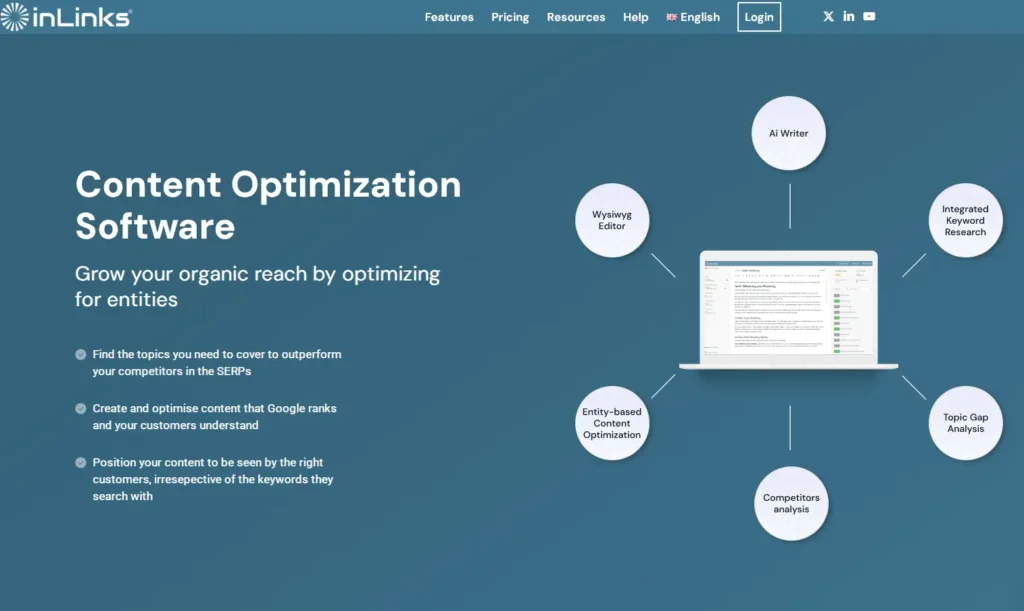
Here is an image given below which you can see and understand how your tool site will be made and you can also visit to this website and see how it works by clicking on this link- Nlp content optimizer tool
Benefits of an NLP Content Optimizer Tool
1. Higher Search Rankings
Optimised content aligns with Google’s understanding, leading to better rankings.
2. Better Content Quality
Content becomes more informative, natural, and structured.
3. Perfect Search Intent Match
Your content answers exactly what users are looking for.
4. Reduced Keyword Stuffing Risk
Semantic optimisation keeps content safe from penalties.
5. Faster Content Creation
Research that takes hours is done in minutes.
6. Improved User Engagement
Higher time on page, lower bounce rate.
7. Competitive Advantage
You know exactly what competitors are missing.
8. Future-Proof SEO
Prepared for AI-driven algorithm updates.
How to Earn Money from an NLP Content Optimizer Tool
Building an NLP Content Optimizer Tool is powerful but monetising it smartly is what turns it into a long term business.
The good news?
SEO users are high intent users. They are ready to pay if your tool saves time or improves rankings.
Let’s break this down step by step
1. Subscription Model (Best & Most Profitable)
This is the #1 and most recommended way to earn money.
How It Works
You offer:
- Free plan (limited features)
- Paid plans (monthly / yearly)
Example Pricing
- Free: 1–2 articles/day, limited analysis
- Basic: $9–$15/month
- Pro: $29–$49/month
- Agency: $99+/month
Why This Works So Well
- Recurring income (monthly cash flow)
- Predictable revenue
- Scales easily
- Perfect for SEO professionals
Even 100 users × $15/month = $1,500/month
2. Freemium + Google AdSense (Beginner Friendly)
If you are starting without a big audience, this model is perfect.
How It Works
- Allow free users to optimise content
- Show ads on:
- Results page
- Dashboard
- Suggestions panel
Why It Works
- SEO users search tools daily
- High CPC keywords (SEO, marketing, tools)
- No payment gateway needed initially
Tip:
Keep ads non-intrusive, or users will leave.
3. Affiliate Marketing (High Conversion Method)
Your users already care about SEO so affiliate offers convert extremely well.
What You Can Promote
- Hosting services
- SEO tools
- Keyword research tools
- WordPress plugins
- Email marketing tools
Where to Place Affiliate Links
- Inside dashboard tips
- “Recommended tools” section
- Blog content on your site
- Email reports
This creates passive income on autopilot.
4. White-Label Tool for Agencies (High Ticket Income)
This is a hidden goldmine most people ignore.
What Is White Label?
You allow agencies to:
- Use your tool under their own brand
- Add their logo
- Offer it to their clients
Pricing Example
- ₹5,000–₹20,000/month per agency
- Or one-time setup + monthly fee
Why Agencies Love This
- Saves development cost
- Looks professional
- Helps them retain clients
Just 10 agencies can earn more than 100 individual users.
5. API Access for Developers & SaaS Companies
Once your tool becomes stable, offer paid API access.
Who Will Pay?
- SEO SaaS companies
- Content platforms
- Marketing automation tools
- Developers building AI tools
How to Charge
- Pay per API call
- Monthly API plans
- Usage-based pricing
This is advanced, but extremely scalable.
6. Pay-Per-Use Credits (Flexible Model)
Some users don’t want subscriptions.
How It Works
- Users buy credits
- 1 credit = 1 article optimisation
- Credits never expire
Best For
- Freelancers
- Bloggers with low usage
- One-time users
This model increases conversion rate from free users.
7. Sell SEO Services Using Your Tool (Smart Combo)
Your tool itself can become a lead generation machine.
Example Services
- Content optimisation service
- Blog SEO improvement
- On-page SEO packages
How It Helps
- Tool does 70% work
- You sell expertise
- Higher profit margins
Many successful SEO agencies do this quietly.
8. Educational Products & Courses
Once your tool gains trust, sell:
- SEO courses
- Content optimisation guides
- Case studies
- Templates
Your tool becomes proof of authority.
9. Sponsored Listings & Tool Partnerships
Other SaaS companies will pay to:
- Be listed inside your tool
- Get featured in reports
- Be recommended to users
This works well when you have:
- Good traffic
- Active users
- SEO-focused audience
10. Data Insights & Reports (Advanced)
You can monetise:
- Industry content trends
- Keyword usage insights
- SEO behaviour data (anonymised)
Sell these insights to:
- Agencies
- Marketers
- Research firms
If you want to learn how to make a NLP Content Optimizer Tool,Then according to me, Skillgenerator is the best platform for learn this.
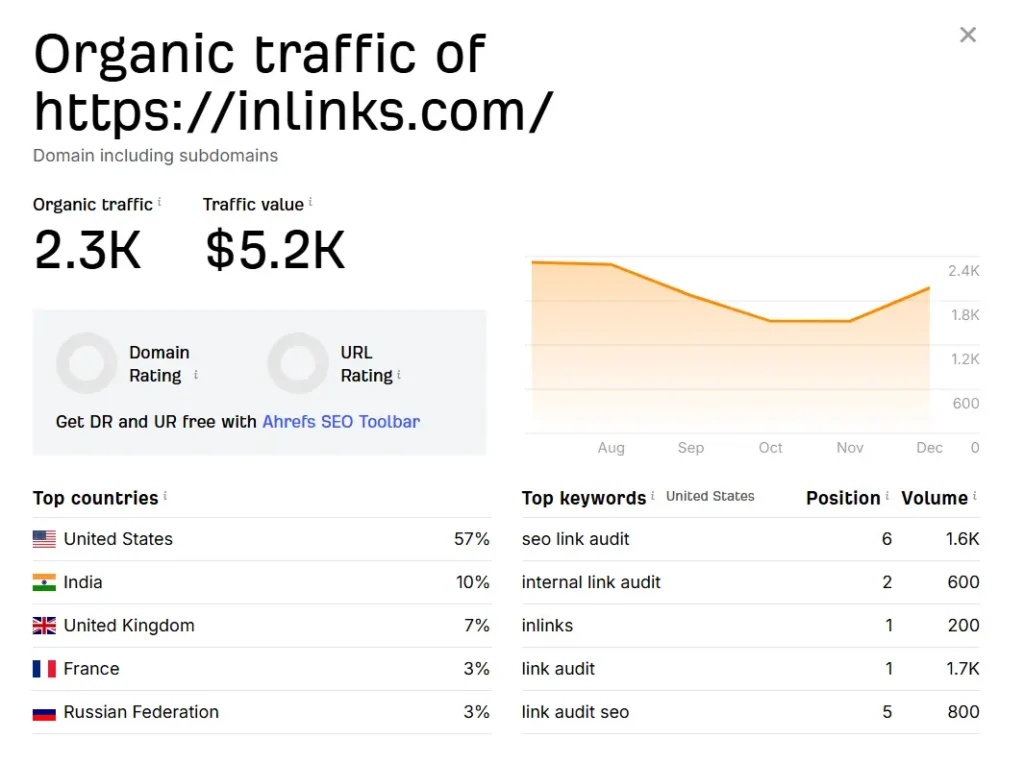
here is a live example through image of earning from NLP Content Optimizer Tool-
Final Conclusion
An NLP Content Optimizer Tool represents the natural evolution of SEO in an era where search engines think more like humans than machines. As algorithms become smarter and more intent focused, success no longer comes from stuffing keywords or following outdated SEO tricks. It comes from clarity, context, relevance, and real value exactly what NLP based optimisation delivers.
Throughout this guide, we explored how an NLP Content Optimizer Tool works, how it can be built, why it matters, and how it can be monetised. The bigger picture is clear: content that understands users wins. When your content answers real questions, covers topics deeply, and uses language naturally, search engines reward it with better visibility and long-term rankings.
From a creator’s perspective, this tool is a time saver and confidence booster. It removes guesswork, provides clear direction, and helps writers focus on quality rather than fear of missing SEO elements. For SEO professionals and agencies, it becomes a scalable advantage, allowing them to optimise more content with higher consistency and better results. For entrepreneurs, it opens the door to a profitable SaaS opportunity in a market that continues to grow year after year.
Monetisation possibilities from subscriptions and affiliates to white-label solutions and APIs prove that an NLP Content Optimizer Tool is not just useful, but commercially powerful. When combined with smart positioning and genuine value, it can transform from a simple tool into a long term digital asset.
