

In today’s hyper-connected world, almost everything we do happens online searching on Google, scrolling social media, shopping, learning, or even working. While these activities make life easier, they also leave behind something very important and often misunderstood: your digital footprint.
Many people use the internet daily without realizing that every click, search, and interaction creates data. This data forms your digital footprint and silently tells a story about who you are, what you like, and how you behave online.
What Is a Digital Footprint?
A digital footprint is the trail of data you leave behind when you use the internet. Every online action whether done knowingly or unknowingly adds to this footprint.
In simple words, your digital footprint is your online record.
This record can include:
- Websites you visit
- Searches you make
- Social media posts and likes
- Emails you send
- Apps you use
- Forms you fill out
Some of this data is shared intentionally, while some is collected automatically in the background.
Types of Digital Footprint
Understanding the two main types helps you control and use them better.
1. Active Digital Footprint
This is the data you deliberately share online.
Examples:
- Posting on social media
- Writing blog articles
- Commenting on videos or forums
- Uploading photos or videos
- Creating an online profile
You are fully aware that this information is public or semi public.
2. Passive Digital Footprint
This is the data collected without your direct action or awareness.
Examples:
- Websites tracking your IP address
- Cookies storing browsing behavior
- Ads following your searches
- Apps collecting location or usage data
This happens silently while you browse the internet.
How Does a Digital Footprint Work?
A digital footprint works through data collection, storage, and analysis.
Step 1. You Go Online
When you open a website or app, your device connects using an IP address. This tells servers basic details like your location and device type.
Step 2. Tracking Technologies Activate
Websites use:
- Cookies
- Pixels
- Analytics tools
- Tracking scripts
These tools observe how you interact with the site.
Step 3. Data Gets Stored
Information such as pages visited, time spent, clicks, and preferences is stored on servers or browsers.
Step 4. Data Is Analyzed
Companies analyze this data to:
- Improve user experience
- Show personalized content
- Display targeted advertisements
- Understand consumer behavior
Over time, all this data builds your digital footprint.
How to Create a Digital Footprint
Creating a digital footprint doesn’t mean sharing everything about your life online. It simply means intentionally building a positive and meaningful online presence that represents who you are, what you know, and what you do. When done correctly, your digital footprint can open doors to jobs, freelancing, networking, and even online income.
Here’s a humanized, step-by-step explanation anyone can follow.
1. Start with a Clear Online Identity
The first step is to decide how you want people to see you online.
Ask yourself:
- Am I a student, professional, creator, or entrepreneur?
- What skills or interests do I want to show?
Then use:
- Your real name (or a consistent brand name)
- A clear profile photo
- A simple bio explaining what you do
This creates trust and authenticity.
2. Create Professional Social Media Profiles
You don’t need to be on every platform. Choose 1–2 platforms and use them properly.
For example:
Post thoughtfully. Everything you share becomes part of your digital footprint.
3. Share Useful and Positive Content
A strong digital footprint is built on value, not noise.
You can share:
- Tips and knowledge you’ve learned
- Your experiences or journey
- Educational posts
- Simple opinions backed by logic
You don’t need to be an expert—being honest and helpful is enough.
4. Create a Blog or Personal Website
If you want a strong and long-term digital footprint, a blog or website helps a lot.
You can:
- Write articles
- Share guides or tutorials
- Show your portfolio or achievements
Search engines remember websites for a long time, which helps your online visibility.
5. Participate in Online Discussions
Commenting and engaging is also part of creating a digital footprint.
You can:
- Answer questions
- Join discussions
- Leave meaningful comments
Always stay respectful. Your words reflect your personality online.
6. Be Consistent, Not Perfect
You don’t need to post daily. Consistency matters more than frequency.
Even:
- One post a week
- One article a month
is enough to slowly build a solid digital presence.
7. Protect Your Privacy While Building
Creating a digital footprint doesn’t mean exposing personal details.
Avoid sharing:
- Phone numbers
- Address
- Sensitive personal information
A smart digital footprint is visible but safe.
8. Think Before You Post
Before posting anything, ask:
“Would I be comfortable if an employer or client saw this?”
If the answer is no, don’t post it.
In Simple Words
You create a digital footprint by sharing positive, useful, and authentic content online while being mindful of privacy and consistency.
I have written another blog post like this, if you want you can check it out by clicking on this link- robots.txt
Final Thought
A digital footprint is like your online reputation. You don’t build it in one day—it grows with every small action you take online. When you create it intentionally, it becomes a powerful asset that supports your goals instead of harming them.
Why Should You Use and Care About Your Digital Footprint?
Your digital footprint directly affects your real life.
1. Career Opportunities
Employers often search candidates online before hiring. A positive footprint increases trust.
2. Personal Branding
Your footprint defines how people perceive you online.
3. Online Safety
Understanding your footprint helps protect privacy and avoid misuse of personal data.
4. Control Over Your Online Image
If you don’t control your footprint, others (or algorithms) will.
Benefits of a Positive Digital Footprint
- Builds credibility and authority
- Improves job and freelance opportunities
- Helps grow an audience
- Increases trust with clients and employers
- Opens doors to online income streams
- Makes you visible on search engines
A well-managed digital footprint is an asset, not a risk.
How Can You Earn Money from a Digital Footprint?
A strong digital footprint can directly or indirectly generate income.
1. Blogging & Content Creation
Once your blog gains traffic, you can earn through:
- Ads
- Affiliate marketing
- Sponsored posts
2. Freelancing & Consulting
Clients trust people with visible online expertise. Your footprint acts as proof of skill.
3. Social Media Monetization
With a strong presence, you can earn via:
- Brand collaborations
- Paid promotions
- Content partnerships
4. Online Courses & Digital Products
If people trust your knowledge, they are more likely to buy:
- Courses
- Ebooks
- Tools or templates
5. Personal Brand Deals
A clean, professional digital footprint attracts long-term brand opportunities.
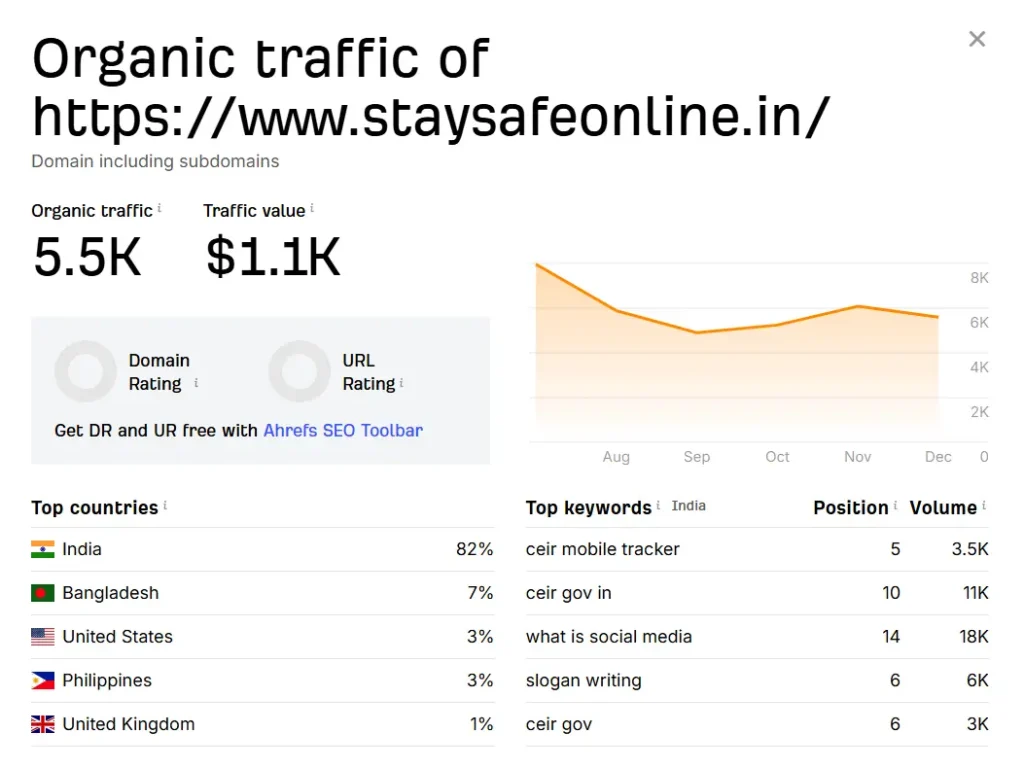
Here i have given an image in which you can see how much a small website of digital footprint is eaning per month if you want to see this website then go to this link- Digital footprint
Common Mistakes to Avoid
- Oversharing personal information
- Posting offensive or hateful content
- Using fake profiles
- Ignoring privacy settings
- Forgetting old or embarrassing content
Everything online can resurface later.
What Is the Future of Digital Footprints?
The future of digital footprints will be more powerful and more sensitive.
Key Trends:
- Increased data tracking through AI
- Stronger privacy laws
- Greater focus on personal branding
- Employers relying more on online presence
- Digital identity becoming as important as real identity
In the future, managing your digital footprint will be a necessary life skill, not an option.
How to Manage and Improve Your Digital Footprint
- Regularly review old posts
- Update privacy settings
- Delete unnecessary accounts
- Share positive and helpful content
- Think before posting
Smart management turns your footprint into a digital advantage.
Conclusion: Understanding and Owning Your Digital Footprint
In the end, your digital footprint is not just a collection of data points it is a reflection of who you are in the digital world. Every search you make, every post you share, and every interaction you have online quietly adds to a story that the internet remembers about you. Whether you realize it or not, this story can influence your career opportunities, personal reputation, online safety, and even your income potential.
The most important thing to understand is that a digital footprint is not always negative. When managed wisely, it becomes a powerful asset. By sharing meaningful content, maintaining professional profiles, and being mindful of what you post, you can create a positive and trustworthy online presence. Instead of letting algorithms and platforms define you, you gain the power to shape your own digital identity.
At the same time, awareness is key. Knowing how your online activity is tracked helps you protect your privacy and make smarter decisions on the internet. Small actions like adjusting privacy settings, thinking before posting, and regularly reviewing your online presence—can make a big difference in the long run.
As the digital world continues to grow, your online presence will matter more than ever. In many ways, your digital footprint will stand alongside your real-world identity. The sooner you take control of it, the better prepared you’ll be for future opportunities. Ultimately, your digital footprint is your responsibility manage it carefully, build it intentionally, and use it to create growth, trust, and success in your digital life.
