

Introduction
If you want your website to rank higher on Google, the first thing you must focus on is proper indexing. Search engines need a clear map of your website so they can understand your pages easily. This is where a Sitemap Generator Tool becomes extremely useful. Whether you are a blogger, developer, or business owner, having a clean and updated sitemap helps search engines discover your content faster.
In this blog, you’ll learn what a sitemap generator tool is, how it works, how you can create your own sitemap generator, and the important features and benefits you must know.
What Is a Sitemap Generator Tool?
A Sitemap Generator Tool is an online or software based tool that automatically creates a sitemap.xml file for your website. This sitemap acts as a map for search engines, showing them which pages exist, how important they are, and when they were last updated.
Every website small or large needs a sitemap so Google, Bing, and other search engines can understand the structure of the site and index content faster.
How Does a Sitemap Generator Work?
A sitemap generator tool works behind the scenes like a smart assistant that scans your entire website and builds a clean map for search engines. Even if you have hundreds of pages, the tool does all the heavy work automatically. Here’s how the whole process happens step-by-step:
1. Website Crawling – The Tool Starts Exploring Your Website
Think of this step like Google visiting your site for the first time.
The sitemap generator tool begins by visiting your homepage and then:
- Follows every link it finds
- Visits all your important pages, posts, products, categories
- Collects URLs of images, media, and subpages
- Identifies navigation menus, footer links, and internal link structure
It works just like a “robot explorer” moving through your entire website, making sure no important page is missed.
This stage is similar to how search engine crawlers work the tool acts as a mini Google.
2. Organizing URLs – Cleaning, Sorting & Structuring Everything
After crawling your site, the tool now has a long list of URLs.
But raw data is messy, so the tool begins to organise it carefully.
Here’s what it does:
- Removes duplicate links
- Filters out broken or invalid URLs
- Categorises pages (Home, Blog, Category, Product, etc.)
- Identifies last-updated date
- Measures page depth (how many clicks away from homepage)
- Decides priority for each page
- Determines how often pages change (daily, weekly, monthly)
This step is like arranging all the rooms in a house into a clean blueprint so the visitor (Google) can easily find everything.
3. Creating the XML Format – Turning Data Into a Search-Engine Friendly File
Now that everything is organised, the tool converts the information into a structured format called XML, which search engines prefer.
It looks something like this:
<url>
  <loc>https://example.com/about</loc>
  <lastmod>2025-01-18</lastmod>
  <changefreq>monthly</changefreq>
  <priority>0.8</priority>
</url>
What each tag means:
- <loc> → The exact page link
- <lastmod> → When the page was last updated
- <changefreq> → How often this page changes
- <priority> → How important the page is compared to others
This XML file becomes your website’s official “map for search engines.”
4. Ready to Submit – Your Sitemap Is Now Google-Friendly
Once the XML file is created, it’s ready to be submitted to:
- Google Search Console
- Bing Webmaster Tools
- Search engines that support XML sitemaps
This step tells Google:
“Here is the list of all my important pages. Please crawl them and index them.”
After submission, the search engines start checking your sitemap regularly, especially when new content is added.
Final Summary
A sitemap generator tool works like a smart content organizer for your website.
It:
- Explores your entire site
- Collects & cleans all URLs
- Builds a structured XML map
- Helps search engines index everything faster
All of this happens automatically, without you writing a single line of code.
That’s why using a sitemap generator tool is one of the easiest and most effective SEO steps every website owner should take.
How to Create Your Own Sitemap Generator Tool
Creating your own sitemap generator tool may sound technical, but once you understand the steps, it becomes much easier. Think of it as building a smart assistant that scans websites and produces a ready to download XML sitemap. Below is a simple and humanised explanation of how you can create your own tool from scratch.
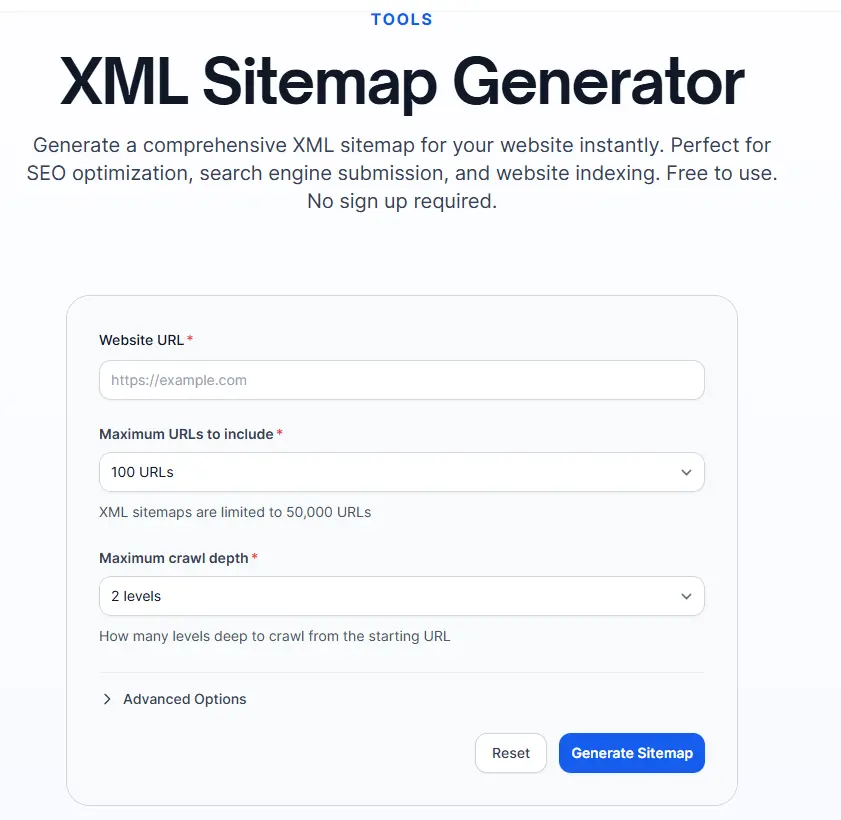
1. Build a Simple Input Form (Frontend UI)
Every tool starts with a clean and user-friendly interface.
Your sitemap generator tool should have :
- A text box where users can enter their website URL
- A “Generate Sitemap” button
- Optional features like: Include images? Include videos? Crawl depth?
This part is created using HTML + CSS, and it should look simple and modern so beginners can use it easily.
Human Example:
Think of this like giving your tool a face. Users type their website link, and your tool starts working.
2. Create a Website Crawler (The Brain of the Tool)
The second step is building the crawler, which scans websites page by page.
Your crawler should be able to:
- Visit the homepage first
- Follow internal links
- Collect all URLs
- Avoid external websites
- Skip broken or restricted pages
- Respect
robots.txtrules
You can build this in any programming language such as:
- Python (BeautifulSoup + Requests)
- Node.js (Cheerio + Axios)
- PHP (cURL + DOM Parser)
Human Example:
The crawler works like a robot that walks through every room of a house (your website) and notes down all important places.
3. Organize and Filter URLs Cleanly
After collecting URLs, your tool must clean them.
The tool should:
- Remove duplicate URLs
- Remove unnecessary parameters
- Identify the last updated time (if available)
- Sort URLs by category (blog, page, product, etc.)
- Assign priority to important pages
This step ensures the final sitemap is professional and SEO friendly.
Human Example:
This is like cleaning a messy list and keeping only the important and correct items.
4. Convert All URLs Into XML Format
Now comes the most important part creating the actual sitemap.xml file.
Your tool must output something like:
<url>
  <loc>https://yourwebsite.com/about</loc>
  <lastmod>2025-01-18</lastmod>
  <changefreq>monthly</changefreq>
  <priority>0.8</priority>
</url>
You can use XML libraries built into most programming languages.
Human Example:
This is like arranging all your clean URLs into a proper structured book that Google can read easily.
5. Add a Download or Copy Option
Once the XML is ready, the user must be able to:
- Download the sitemap.xml file
- Copy the sitemap to upload on their server
- View the sitemap on screen
Adding this makes your sitemap generator tool user-friendly and complete.
Human Example:
Imagine giving a neatly packed gift box to the user their sitemap.
6. Host Your Tool Online
To make your tool live, you need to host it on a server.
You can use:
- Shared hosting
- VPS
- Cloud hosting (AWS, DigitalOcean, Vercel)
Once hosted, users worldwide can access your sitemap generator tool.
Human Example:
This is like opening your shop and letting people come in to use your service.
7. Add Extra Features to Stand Out (Optional)
If you want your tool to be better than competitors, add extra features like :
- Image Sitemap Generator
- Video Sitemap Generator
- Custom priority settings
- Crawl depth limit
- Broken link scanner
- Website Health Check integration
These advanced features make your tool more professional and attract more SEO users.
Final Thoughts
Creating your own sitemap generator tool is not just about writing code.
It’s about building a helpful system that:
- Understands websites
- Collects their pages
- Organizes everything
- And creates a clean sitemap that search engines love
Once created, your tool can help thousands of users improve their SEO and indexing and it can even become a great online business opportunity.
Here is an image given below which you can see and understand how your tool site will be made and you can also visit to this website and see how it works by clicking on this link- xml sitemap generator
Top Features of a Sitemap Generator Tool
A good sitemap generator tool offers features like:
Scans your entire website without manual effort.
2. XML Sitemap Creation
Exports a clean and SEO ready sitemap file.
3. Custom URL Priority
Lets you set the importance of pages.
4. Image & Video Sitemaps
Includes multimedia pages for better search visibility.
5. Multi-Level Sitemap Indexing
Supports large websites with thousands of URLs.
6. Error Detection
Finds broken links and indexing issues.
7. Fast Download
Generates sitemaps instantly without heavy processing.
Benefits of Using a Sitemap Generator Tool
1. Faster Indexing
Google discovers new pages more quickly.
2. Improved SEO Performance
A clean sitemap improves crawl efficiency and rankings.
3. Perfect for Large Websites
E-commerce stores and blogs with many pages need sitemaps to avoid missed URLs.
4. Helps Fix Crawl Errors
If Google is not indexing your pages, a sitemap tool can help you identify the issue.
5. Saves Time and Effort
Instead of creating sitemaps manually, tools do everything automatically.
6. Works for All Types of Websites
WordPress, Blogger, custom sites, e-commerce stores—everything supports XML sitemaps.
How to Earn Money from a Sitemap Generator Tool
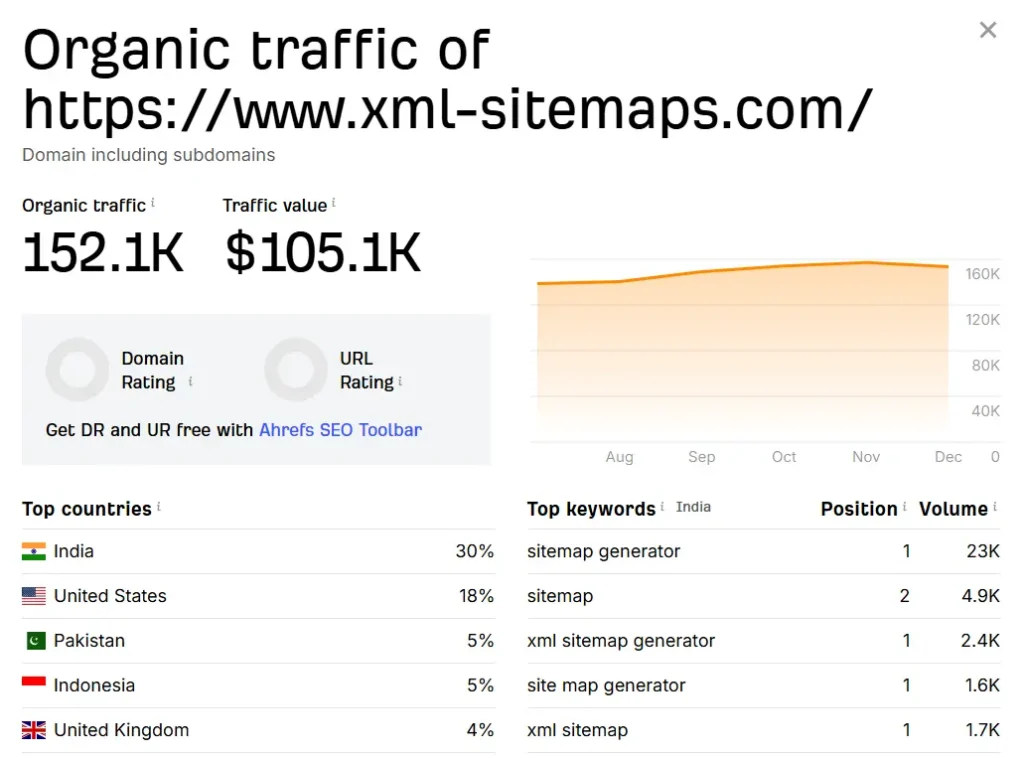
A sitemap generator tool can become a great passive income source because people always need help generating sitemaps. Here’s how you can earn money from it in simple words:
1. Show Ads (Fastest & Easiest)
When users visit your tool to generate a sitemap, the ads on your page earn you money through impressions and clicks.
This is pure passive income.
2. Premium Features (Free + Paid Model)
Give basic sitemap creation for free, but charge for advanced options like image sitemaps, video sitemaps, or unlimited crawling.
It’s like giving extra features to serious users.
3. Subscription Plans
Offer monthly or yearly plans for agencies or professionals who use your tool often.
Steady income every month.
4. Affiliate Marketing
Recommend hosting, SEO tools, and plugins. If someone buys using your link, you get a commission.
Very easy income because your audience is already interested in SEO.
5. API Access
Developers can pay to use your tool automatically through an API.
Great for long-term earnings.
6. Promote SEO Services
People who need sitemaps also need SEO help. You can sell audits, website fixes, or optimization services.
Extra income opportunity.
Short Summary
Your sitemap generator tool works automatically day and night.
As more people use it, you earn money through ads, subscriptions, premium features, affiliate links, and services all without doing extra work.
It’s one of the easiest ways to build a simple, useful, and profitable online tool.
If you want to learn how to create a Sitemap generator Tool,Then according to me, Skillgenerator is the best platform for learn this.
here is a live example through image of earning from Sitemap Generator Tool-
Conclusion
A sitemap generator tool may look like a simple utility on the surface, but it plays a powerful role in the success of any website. Search engines like Google don’t magically know what pages you have they need clear guidance, and your sitemap acts as that guide. By creating your own sitemap generator tool, you are not just building a feature you are creating a smart system that helps websites get discovered, indexed, and ranked faster.
When you design such a tool, you’re basically giving website owners a digital assistant that :
- explores their site,
- organizes their content,
- removes unnecessary clutter,
- and finally delivers a clean, ready-to-submit sitemap.
This means you are helping people improve their SEO without them needing technical skills. And the best part?
A well built sitemap generator tool keeps working automatically scanning, cleaning, and updating making the whole indexing process smooth.
In simple words, you are building something that truly solves a problem.
You make the web a little cleaner, a little more organized, and a lot more search engine friendly.
Whether you’re doing this to add value to your website, help users, or create your own tool based business, a sitemap generator tool is one of those creations that has long-term benefits. It’s practical, meaningful, and extremely useful for anyone who wants to grow online.
So start small, experiment, improve step-by-step and soon, you’ll have a sitemap generator tool that people trust and rely on.
