
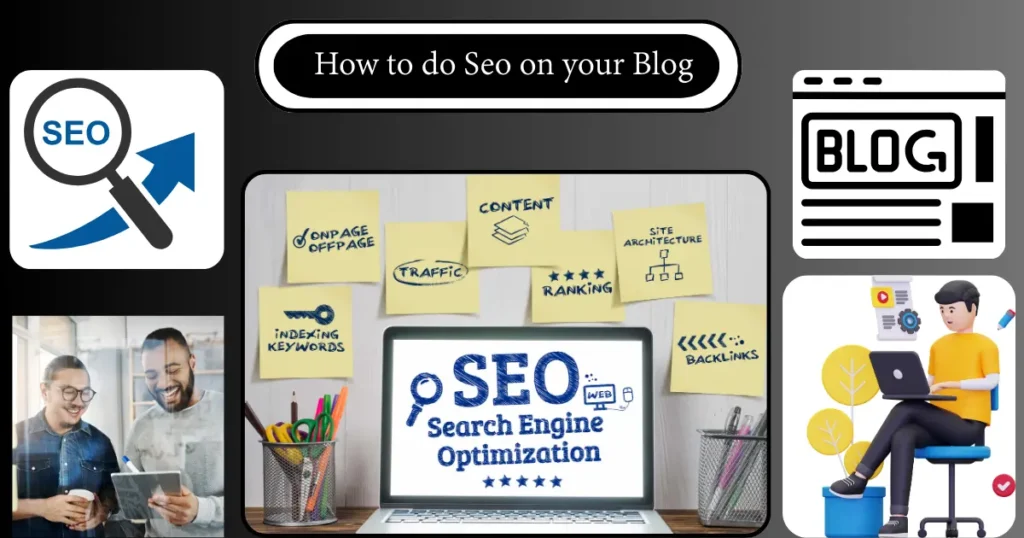
What is SEO and Why Does It Matter?
SEO, or Search Engine Optimization, is all about making your blog or website more visible on search engines like Google. Think of it as giving your content the best chance to show up when someone searches for topics you write about. The higher you rank in search results, the more people will discover and visit your site.
Why is SEO so important?
- Brings free visitors – SEO helps you attract organic traffic, which means more people land on your blog without you spending money on ads.
- Builds trust and credibility – High-ranking sites naturally appear more reliable to readers.
- Opens up earning opportunities – More visitors can lead to more income through ads, affiliate products, or selling your own services.
- Makes your content discoverable – People searching online can easily find what you offer if your content is optimized.
In simple terms, SEO is like a spotlight for your blog — it makes sure your work doesn’t get lost in the crowd, helping you reach more readers, grow your audience, and achieve long-term success.
If you want to learn seo in easy way, then visit our website SkillGenerator.in
How to Do SEO on Your Blog: A Beginner-Friendly Guide
Want more people to read your blog without spending on ads?
That’s where SEO (Search Engine Optimization) comes in. Think of it as the art of making your blog more visible in Google search results so the right people can find you.
Here’s a simple, step-by-step way to start improving your blog’s SEO:
1. Pick the Right Keywords
Start by finding the words and phrases your audience is actually searching for. Use Google suggestions or keyword tools to discover relevant keywords. Aim for ones that are specific and easier to rank for.
2. Write Quality Content
Search engines (and readers) love content that’s original, helpful, and enjoyable to read. Answer your reader’s questions, share examples, and make your writing engaging. Remember — use keywords naturally, not forcefully.
3. Craft Better Titles and Meta Descriptions
Your title should grab attention and include your main keyword. The meta description (the short text under your title in search results) should explain what your post is about and make people want to click.
4. Structure with Headings
Organize your post with clear headings (H1, H2, H3) so it’s easy to scan. Sprinkle your keywords into these headings where it makes sense.
5. Link Smartly
- Internal links: Point readers to other posts on your blog.
- External links: Link to trusted, relevant sites for extra value.
This helps search engines understand your content and keeps readers exploring your site.
6. Optimize Your Images
Use descriptive alt text that subtly includes keywords, and compress images so your blog loads quickly.
7. Make It Mobile-Friendly & Fast
Most people browse on their phones, so your blog should look great on all screens. Also, make sure your site loads quickly — slow websites lose visitors fast.
8. Build Backlinks
The more high-quality websites link to your blog, the more search engines trust it. You can earn backlinks by guest posting, sharing your posts on social media, and engaging with online communities.
9. Keep Your Content Fresh
Update old posts with new info, fix broken links, and refresh outdated details. Search engines love fresh, updated content.
10. Use SEO Tools
Google Search Console and Google Analytics are free tools that show you how your blog is performing and what you can improve.
💡 In short:
If you consistently follow these steps, your blog will slowly climb search rankings, attract more visitors, and grow your audience — all without expensive ads. SEO is a long-term game, but the rewards are worth it.
What is E-E-A-T and Why It Matters for SEO
E-E-A-T stands for Experience, Expertise, Authoritativeness, and Trustworthiness — four key factors Google uses to judge the quality of a website or blog. In simple terms, it’s how search engines decide whether your content is worth showing to readers.
To master E-E-A-T in SEO, create content that:
- Shares real-life experiences to prove you know what you’re talking about.
- Demonstrates deep expertise in your niche.
- Is backed by authority, such as credentials, citations, or recognition from reputable sources.
- Builds trust by being accurate, transparent, and reliable.
When you focus on E-E-A-T, search engines see your blog as a credible and valuable source — boosting your chances of ranking higher. This is especially important for “Your Money or Your Life” (YMYL) topics like health, finance, and safety, where trust and credibility are non-negotiable.
In short, E-E-A-T isn’t just an SEO buzzword — it’s the foundation for building a blog that both Google and your readers can rely on.
What Else Can You Write About on Your Blog?
So, you’ve set up your blog and started working on SEO — awesome!
But now comes the big question: “What should I write about next?”
Here are some fresh ideas to keep your readers hooked and your blog buzzing with activity:
1. Step-by-Step Guides
People love practical help. Write detailed “how-to” or tutorial-style posts that solve a problem or teach something useful in your niche.
Example: “How to Find the Best Keywords for Your Blog in 10 Minutes.”
2. Lists People Can’t Resist
Listicles work because they’re quick to scan and full of tips. Try posts like:
- “Top 10 SEO Tools for Beginners”
- “5 Mistakes New Bloggers Must Avoid”
- “7 Easy Ways to Increase Blog Traffic”
3. Real Stories & Case Studies
Share your own blogging wins, failures, and lessons learned — or showcase someone else’s success. Readers love true, relatable stories over theory.
4. Answer Common Questions
Think about the questions people ask you most often and turn them into blog posts.
Example: “How Long Does It Take to See Results from SEO?”
5. Keep Up with Trends
Write about new developments, industry news, or updates in your blogging/SEO niche. This instantly makes you look relevant and up-to-date.
6. Interviews & Guest Posts
Collaborate! Invite industry experts or fellow bloggers to share their insights on your blog. This also brings in fresh audiences.
7. Share Your Personal Journey
Tell your readers why you started blogging, what challenges you faced, and what you’ve learned along the way. It builds trust and connection.
8. Curated Resource Lists
Compile a list of tools, websites, books, or courses that have helped you. Your readers will thank you for saving them time.
9. Update Old Content
Don’t forget your older posts! Refresh them with new tips, updated stats, or fresh examples to keep them relevant and search-engine friendly.
💡 Pro Tip: Mix different types of posts so your content stays interesting — some posts should educate, some should inspire, and some can even just entertain.
If you want to learn briefly to do seo on your blog bost then go to this linlk : https://youtu.be/HoRJBuIBEc4
