

In today’s competitive SEO world, choosing the right keyword is more important than writing long content or building random backlinks. Many websites fail not because their content is bad, but because they target keywords that are too difficult to rank for. This is exactly where a Keyword Difficulty Checker Tool becomes a game-changer.
A Keyword Difficulty Checker Tool helps you understand how hard it is to rank on Google’s first page for a specific keyword. Instead of guessing, you get a clear data-driven idea of whether your website has a realistic chance to rank or not.
What Is a Keyword Difficulty Checker Tool?
A Keyword Difficulty Checker Tool is an SEO tool that calculates the competition level of a keyword. It tells you how strong the websites already ranking for that keyword are and whether you can compete with them.
In simple words, it answers this question:
“Is this keyword easy, medium, or hard to rank for?”
The tool usually provides a Keyword Difficulty (KD) score, commonly on a scale of 0 to 100:
- Lower score = easier to rank
- Higher score = harder to rank
This score is based on multiple SEO factors like backlinks, domain authority, content quality, and search intent.
Why Keyword Difficulty Matters in SEO
Many beginners make one big mistake they choose keywords only based on high search volume. But high search volume often comes with high competition.
Keyword difficulty matters because:
- It saves time and effort
- It prevents SEO frustration
- It improves ranking success rate
- It helps new websites grow faster
- It allows smarter content planning
By using a Keyword Difficulty Checker Tool, you stop chasing impossible keywords and start focusing on keywords that actually bring traffic.
How Does a Keyword Difficulty Checker Tool Work?
A Keyword Difficulty Checker Tool works by analyzing the current top ranking pages on Google and evaluating how strong they are. Let’s break this process down step by step.
1. SERP Analysis (Top 10 Results)
The tool scans the top 10 Google search results for your keyword. These are your real competitors.
It collects:
- URLs
- Page titles
- Domains
- Content type
If strong websites dominate the SERP, the difficulty automatically increases.
2. Backlink Analysis (Most Important Factor)
Backlinks are the backbone of keyword difficulty.
The tool checks:
- Number of referring domains
- Quality of backlinks
- Authority of linking sites
More high-quality backlinks = higher keyword difficulty.
3. Domain & Page Authority Evaluation
The tool analyzes:
- Domain strength of ranking websites
- Page-level authority
- Trustworthiness signals
If authority websites dominate the SERP, ranking becomes harder.
4. Content Quality & Depth Check
The tool evaluates:
- Content length
- Topic coverage
- Use of keywords and related terms
- Structure (headings, FAQs, tables)
High-quality content raises the competition level.
5. Search Intent Matching
If the ranking pages perfectly match search intent (informational, transactional, etc.), replacing them becomes difficult.
Strong intent match = higher difficulty score.
6. Final Difficulty Score Calculation
All signals are combined and normalised into a single Keyword Difficulty score, usually between 0 and 100, and sometimes labelled as:
- Easy
- Medium
- Hard
Keyword Difficulty Score Explained
| KD Score | Difficulty Level | Best For |
|---|---|---|
| 0–20 | Very Easy | New websites |
| 21–40 | Easy | Small blogs |
| 41–60 | Medium | Growing sites |
| 61–80 | Hard | Authority sites |
| 81–100 | Very Hard | Big brands |
How to Build a Keyword Difficulty Checker Tool
Now let’s talk about how you can create your own Keyword Difficulty Checker Tool.
Step 1. Collect SERP Data
Use a SERP API to fetch:
- Top 10 URLs
- Titles
- Domains
This data forms the base of your tool.
Step 2. Analyze Backlinks
For each ranking page:
- Count referring domains
- Measure backlink quality
- Assign backlink strength score
Backlinks should have the highest weight in your formula.
Step 3. Measure Domain Strength
Calculate:
- Domain authority score
- Page authority score
- Trust signals
Stronger domains increase difficulty.
Step 4. Content Analysis
Check:
- Word count
- Heading structure
- Keyword usage
- Topic coverage
Better content = higher difficulty.
Step 5. Build a KD Formula
A beginner-friendly formula:
Keyword Difficulty =
(Backlink Score × 0.5)
+ (Authority Score × 0.3)
+ (Content Score × 0.2)
Normalize the result to 0–100.
Step 6: Display Results Clearly
Show:
- KD score
- Difficulty label
- SERP overview
- Suggestions for easier alternatives
Step 7. Test & Improve
Test with:
- Keywords you already rank for
- Known competitive keywords
- Long-tail keywords
Adjust weights for accuracy.
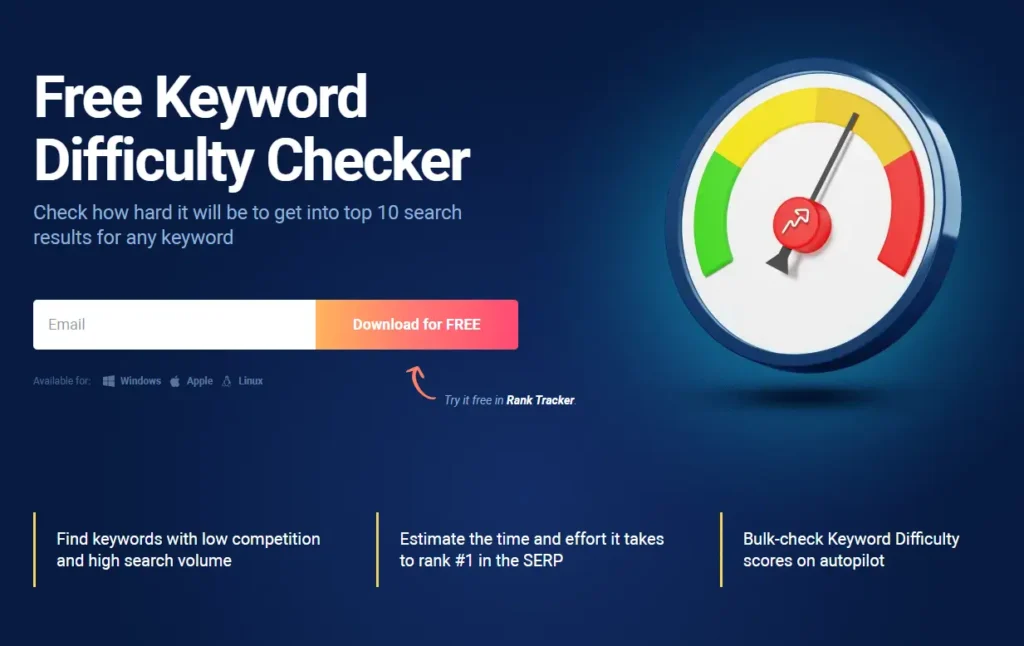
Here is an image given below which you can see and understand how your tool site will be made and you can also visit to this website and see how it works by clicking on this link- keyword difficalty checker tool
Key Features of a Keyword Difficulty Checker Tool
A good Keyword Difficulty Checker Tool is designed to make keyword research easy, clear, and practical—even for beginners. Instead of confusing SEO data, it gives you simple insights that help you choose the right keywords to target.
1. Keyword Difficulty Score
This is the main feature of the tool. It shows a difficulty score that tells you how hard or easy it will be to rank for a keyword. A lower score means less competition, while a higher score means tougher competition. This helps you avoid keywords that are too hard to rank for.
2. SERP Competition Overview
This feature shows the top websites already ranking for your keyword. By looking at these results, you can quickly understand whether you are competing with small blogs or big authority sites.
3. Backlink Analysis
The tool checks how many backlinks the top-ranking pages have and how strong they are. Since backlinks play a big role in SEO, this feature helps you understand the real competition level behind a keyword.
4. Domain Authority Comparison
Here, the tool compares the strength of competing websites. If high-authority websites dominate the results, the keyword is usually harder to rank for. This helps you decide if the keyword is realistic for your site.
5. Content Competition Insights
This feature gives you a basic idea of how strong the existing content is. If top pages are detailed and well-structured, you know your content needs to be better to compete.
6. Difficulty Labels (Easy / Medium / Hard)
To keep things simple, the tool also shows clear labels like Easy, Medium, or Hard. This makes keyword selection quick and beginner-friendly.
7. Long-Tail Keyword Suggestions
The tool suggests long-tail and low-competition keywords related to your main keyword. These are easier to rank for and often bring more targeted traffic.
8. Export & Report Options
You can download your keyword data and reports, which is useful for SEO planning, tracking, or client work.
Benefits of Using a Keyword Difficulty Checker Tool
1. Faster Rankings
Targeting low-difficulty keywords increases your chances of ranking quickly.
2. Smart Content Planning
You know exactly which keywords deserve content investment.
3. SEO Time & Cost Savings
No wasted effort on impossible keywords.
4. Perfect for Beginners
New websites can grow without competing with big brands.
5. Higher Traffic Success Rate
Easy keywords bring consistent and realistic organic traffic.
How to Earn Money from a Keyword Difficulty Checker Tool
A Keyword Difficulty Checker Tool is not just an SEO utility it can become a steady income source if you monetise it the right way. Since people using this tool already have strong SEO intent, converting them into revenue is much easier. Here are the most practical and beginner friendly ways to earn money from it.
1. Google AdSense
The simplest way to earn money is by placing Google AdSense ads on your tool pages.
People searching for keyword difficulty are bloggers, marketers, and businesses which means high CPC ads. Even with moderate traffic, AdSense can generate consistent passive income.
Best for: New websites & free tools
2. Freemium Model (Free + Paid)
This is one of the most effective monetisation methods.
- Free users: Limited keyword searches per day
- Paid users: Unlimited searches, advanced metrics, exports
Once users see value in your tool, many are happy to pay a small monthly fee.
Best for: Long-term recurring income
Subscription Plans (SaaS Style)
You can offer monthly or yearly plans for:
- Bloggers
- SEO freelancers
- Digital agencies
Even a low-cost plan (like $5–$10/month) can scale well with more users.
Best for: Stable and predictable income
4. Affiliate Marketing (High Conversions)
You can promote:
- Hosting services
- SEO tools
- Content writing tools
- Marketing software
Since your audience already cares about SEO, affiliate conversions are naturally high. You earn commissions without creating your own product.
Best for: Boosting income without extra cost
5. Lead Generation for SEO Services
Use your tool to attract users and then offer:
- Keyword research services
- SEO audits
- Content optimisation packages
Many users who don’t want to do SEO themselves will happily pay for expert help.
Best for: Freelancers & agencies
6. Sponsored Listings & Tool Promotion
As your tool grows, other companies may pay to:
- Feature their tools
- Promote services inside your dashboard
- Add sponsored keyword suggestions
Best for: Established tools with good traffic
7. Sell Keyword Research Reports
Some users don’t want tools they want ready made data.
You can sell:
- Niche keyword difficulty reports
- Competitor keyword lists
- Low-competition keyword bundles
Best for: Side income with minimal effort
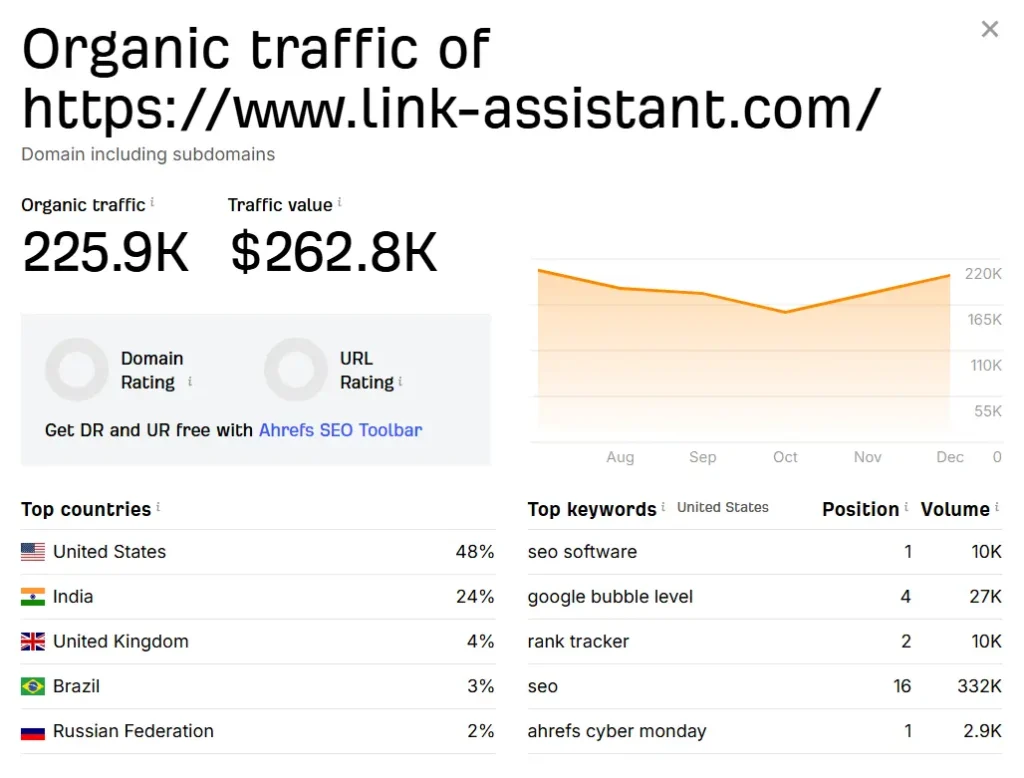
If you want to learn how to create a keyword difficalty Checker Tool,Then according to me, Skillgenerator is the best platform for learn this. here is a live example through image of earning from keyword difficalty checker tool-
Conclusion: Turning Keyword Difficulty Insights into Real SEO Success
A Keyword Difficulty Checker Tool is more than just an SEO feature—it’s a decision-making companion that helps you choose the right path before you invest time, effort, and money into content creation. Instead of guessing which keywords might work, this tool gives you clear direction on which keywords you can realistically rank for.
When used correctly, a Keyword Difficulty Checker Tool saves you from chasing impossible competition and helps you focus on low competition, high-intent keywords that actually bring traffic and results. For beginners, it builds confidence. For experienced marketers, it sharpens strategy and improves efficiency.
From an earning perspective, this tool has strong long-term potential. Whether you monetise it through ads, subscriptions, affiliate offers, or SEO services, the key is simple: deliver real value first. When users trust your data and insights, monetisation becomes natural and sustainable.
In the long run, SEO is not about working harder it’s about working smarter. A well-built Keyword Difficulty Checker Tool allows you to do exactly that. If your goal is to grow traffic, build authority, or create a profitable SEO-based product, this tool can be the foundation that turns strategy into success.
