

In today’s competitive digital world, writing content is not enough. Thousands of articles are published every minute, but only a few reach the first page of Google. The difference between content that ranks and content that gets ignored is optimization.
This is where an SEO Content Optimizer Tool plays a crucial role.
An SEO content optimizer helps writers, bloggers, marketers, and website owners create content that is not only human friendly but also search engine friendly. It bridges the gap between great writing and high Google rankings.
What Is an SEO Content Optimizer Tool?
An SEO Content Optimizer Tool is a software or online tool that analyzes your content and provides data-driven suggestions to improve its ranking potential on search engines like Google.
Instead of guessing what Google wants, the tool studies top ranking pages for a given keyword and helps you align your content with proven ranking factors such as:
- Keyword usage
- Content length
- Heading structure
- Readability
- Semantic relevance
- On-page SEO signals
In simple words:
An SEO Content Optimizer tells you what to write, how much to write, and how to structure your content so that it has a better chance of ranking on page one.
How Does an SEO Content Optimizer Tool Work?
An SEO Content Optimizer follows a structured and logical process. Let’s break it down step by step.
1. Keyword Input
The process starts when you enter a target keyword, such as :
- SEO content optimizer
- image compressor tool
- backlink checker tool
This keyword tells the tool what topic you want to rank for:
2. SERP (Search Engine Results Page) Analysis
The tool then analyzes top ranking pages on Google for that keyword.
It studies:
- Top 10–30 search results
- Content length
- Headings (H1, H2, H3)
- Keyword patterns
- Frequently used terms
- User intent (informational, transactional, etc.)
This step is critical because Google already shows what it prefers.
3. Keyword & Semantic Analysis
After SERP analysis, the tool extracts:
- Primary keyword
- Related keywords
- LSI (Latent Semantic Indexing) keywords
- NLP terms
These keywords help search engines understand context and relevance.
4. Content Comparison
When you paste your content into the tool, it compares your article with top ranking competitors and checks:
- Word count difference
- Keyword coverage
- Missing subtopics
- Over-optimization or under-optimization
5. SEO Scoring System
Most SEO content optimizer tools provide an SEO score (out of 100).
This score is calculated using factors like:
- Keyword usage
- Content length
- Heading structure
- Readability
- On-page SEO elements
A higher score generally means better optimization.
6. Actionable Suggestions
Finally, the tool gives clear, actionable suggestions, such as :
- Add keyword to H2 heading
- Increase content length to 1,800 words
- Improve readability
- Add internal links
- Optimize meta description
This makes optimization simple, even for beginners.
How to Build an SEO Content Optimizer Tool
Building an SEO Content Optimizer tool may sound complex at first, but in reality, it becomes much easier when you break it into small, logical steps. You don’t need to create a tool as advanced as Surfer SEO on day one. A simple, useful version can still attract users and generate income.
Let’s understand the complete process in a practical and human-friendly way.
1. Define the Purpose of Your SEO Content Optimizer Tool
Before writing a single line of code, you must be clear about what your tool will do.
Ask yourself:
- Who will use this tool? (Bloggers, beginners, SEO freelancers)
- What problem will it solve?
- Will it be simple or advanced?
For beginners, the best approach is to build a basic SEO content optimizer that:
- Analyzes content for a target keyword
- Suggests improvements
- Shows an SEO score
Clarity at this stage saves a lot of time later.
2. Decide the Core Features (Start Small)
You don’t need dozens of features at launch. Focus on the most important ones.
A beginner-friendly SEO Content Optimizer tool should include:
- Target keyword input
- Content paste/editor area
- Word count analysis
- Keyword usage check
- Heading (H1, H2, H3) analysis
- Basic SEO score
Once users start using your tool, you can add advanced features later.
3. Choose the Right Tech Stack
The technology you choose depends on your comfort level.
A simple and popular stack is:
- Frontend: HTML, CSS, JavaScript
- Backend: Python (Flask) or Node.js (Express)
- Database (optional): MongoDB or MySQL
You don’t need expensive servers in the beginning. A basic hosting or VPS is enough for the first version.
4. Create a Simple User Interface (UI)
Your tool’s interface should be clean, simple, and fast.
The main sections should be:
- Input box for target keyword
- Text area where users paste their content
- “Analyze Content” button
- Result section showing score and suggestions
Remember, users prefer tools that are easy to understand, not complicated dashboards.
5. Collect Google SERP Data (Heart of the Tool)
This is the most important part of an SEO Content Optimizer.
Your tool needs to understand what already ranks on Google.
You can do this by:
- Fetching top 10 search results for the keyword
- Analyzing their content length
- Studying headings and keyword patterns
You can use SERP APIs like SerpApi or DataForSEO to get this data safely and reliably.
6. Analyze User Content
Once the SERP data is ready, your tool compares it with the user’s content.
It checks:
- Total word count
- Keyword frequency
- Keyword placement (title, headings, first paragraph)
- Content structure
This comparison helps identify what is missing or overused in the content.
7. Build an SEO Scoring System
People love numbers and scores because they are easy to understand.
You can create an SEO score out of 100, based on:
- Keyword optimization
- Content length
- Heading usage
- Readability
- On-page SEO basics
This score gives users a quick idea of how optimized their content is.
8. Generate Clear & Human Suggestions
Instead of technical terms, show simple suggestions, such as:
- “Add the keyword in at least one H2 heading”
- “Increase content length to around 1,800 words”
- “Reduce keyword overuse in paragraphs”
- “Add a meta description for better CTR”
Clear suggestions make your tool valuable even for beginners.
9. Test the Tool with Real Content
Before launching, test your SEO content optimizer with:
- Blog posts that already rank
- Low-ranking articles
- Different keywords
Compare your tool’s suggestions with popular SEO tools to check accuracy and usefulness.
10. Launch, Improve, and Grow
Once testing is complete:
- Buy a domain
- Deploy your tool
- Make it public
After launch, focus on:
- User feedback
- Bug fixes
- Feature improvements
SEO tools grow slowly but steadily. Consistency is the key.
Final Thoughts
Building an SEO Content Optimizer tool is not about creating something perfect. It’s about creating something useful.
Even a simple tool that helps users improve their content can:
- Attract organic traffic
- Build authority
- Generate passive income
- Open doors for SaaS and SEO services
Start small, keep improving, and let your tool grow with time.
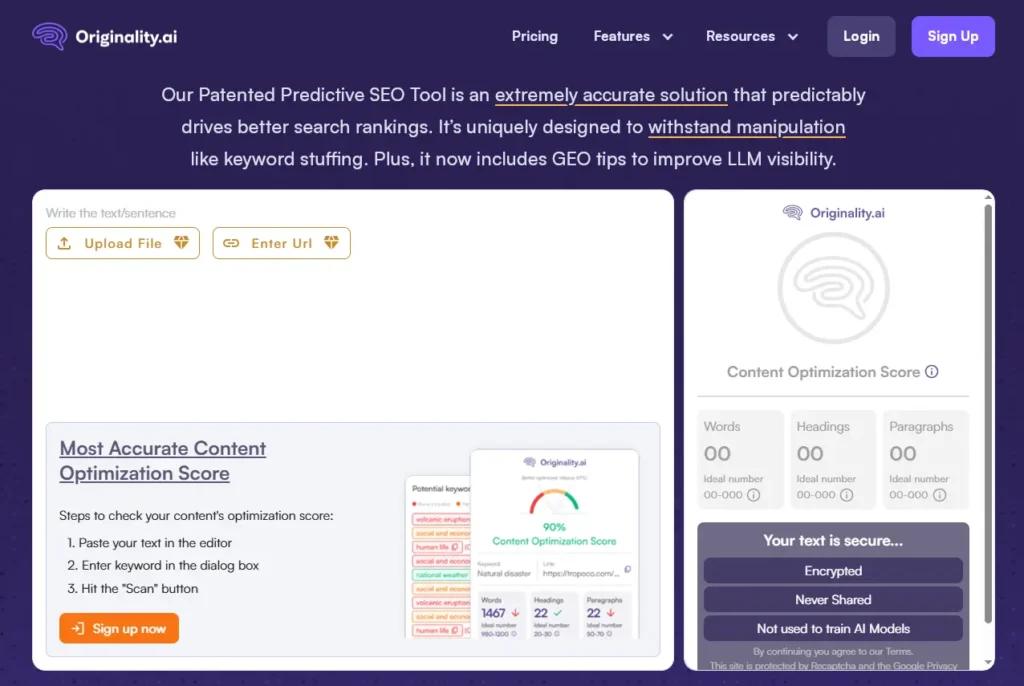
Here is an image given below which you can see and understand how your tool site will be made and you can also visit to this website and see how it works by clicking on this link- seo content optimizer tool
Key Features of an SEO Content Optimizer Tool
A good SEO content optimizer tool includes the following features :
1. Keyword Optimization Suggestions
- Primary keyword placement
- Keyword density check
- Synonyms and related terms
This prevents keyword stuffing while maintaining relevance.
2. Content Length Recommendation
The tool suggests an ideal word count based on top-ranking pages, helping you create complete and authoritative content.
3. Heading Structure Analysis
It checks:
- H1 usage
- H2 and H3 distribution
- Keyword placement in headings
Proper structure improves both SEO and readability.
4. Semantic & NLP Keyword Support
Modern tools suggest NLP-based keywords to match Google’s semantic understanding.
5. Readability Analysis
This ensures content is :
- Easy to read
- Well-formatted
- Suitable for real users, not just search engines
6. On-Page SEO Checks
Advanced tools also analyze:
- Title tag length
- Meta description optimization
- Image ALT text
- Internal linking opportunities
7. Real-Time Content Editor
Many tools provide a live editor where you can optimize content while writing.
Why Should You Use an SEO Content Optimizer Tool?
Using an SEO content optimizer is no longer optional it’s essential.
Here’s why :
1. Saves Time & Effort
Instead of manual competitor research, the tool does everything in minutes.
2. Removes Guesswork
You don’t need to guess what Google wants. The data shows it clearly.
3. Improves Ranking Potential
Optimized content has a much higher chance of ranking on page one.
4. Helps Beginners Compete with Experts
Even new bloggers can compete with authority websites using smart optimization.
5. Ensures Content Completeness
It helps cover all important subtopics, reducing bounce rate and improving engagement.
Benefits of Using an SEO Content Optimizer Tool
Let’s look at the real benefits you get:
- 📈 Higher search engine rankings
- 🎯 Better keyword targeting
- ⏳ Faster content creation
- 👥 Improved user experience
- 💰 Higher traffic and conversions
- 🧠 Data-driven content decisions
Whether you are a blogger, affiliate marketer, or agency owner, the benefits are long term.
Who Should Use an SEO Content Optimizer?
An SEO Content Optimizer is useful for:
- Bloggers
- Affiliate marketers
- SEO professionals
- Freelancers
- Content writers
- Digital agencies
- Tool-based website owners
Anyone who wants organic traffic needs this tool.
How to Earn Money Using an SEO Content Optimizer Tool
One of the biggest advantages of SEO tools is their earning potential. Here are the best ways to monetize them:
1. Build Your Own SEO Content Optimizer Tool
If you create your own tool, you can earn through:
- Google AdSense or Ezoic ads
- Freemium model (basic free, advanced paid)
- Monthly subscriptions
Even a simple tool can generate steady passive income with traffic.
2. Sell Premium Plans (SaaS Model)
Offer paid features like:
- Advanced keyword analysis
- Competitor comparison
- Export reports
- Multi-keyword optimization
Example:
- ₹499/month × 100 users = ₹49,900/month
3. Affiliate Marketing
Promote popular tools like:
- Surfer SEO
- Frase
- RankMath Content AI
- Clearscope
Earn recurring commissions by writing reviews, comparisons, and tutorials.
4. SEO Content Optimization Services
Offer services such as:
- Optimizing blog posts
- Content audits
- SEO writing packages
Charge per article or monthly retainers.
5. Courses & Ebooks
Create:
- SEO writing courses
- Content optimization guides
- Practical ebooks
Sell them via your website or platforms like Gumroad.
If you want to learn how to make a seo content optimizer tool Tool,Then according to me, Skillgenerator is the best platform for learn this.
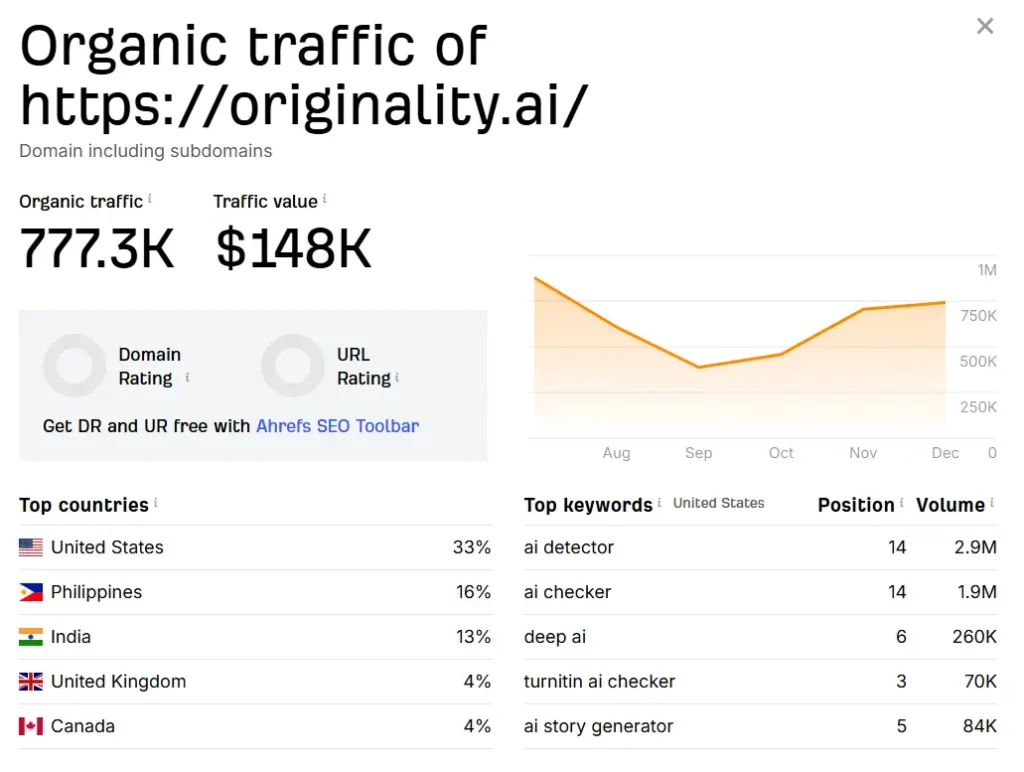
here is a live example through image of earning from AI Image Generator Tool-
SEO Content Optimizer Tool vs Traditional Content Writing
| Traditional Writing | SEO Optimized Writing |
|---|---|
| Guess-based | Data-driven |
| No ranking assurance | Higher ranking potential |
| Time-consuming | Faster workflow |
| Limited SEO insight | Complete SEO guidance |
This clearly shows why optimized content wins.
Common Mistakes to Avoid
- Overusing keywords
- Ignoring user intent
- Blindly following scores
- Forgetting content quality
- Writing only for tools, not humans
Remember: Tools guide you, humans read you.
Common Mistakes to Avoid
- Overusing keywords
- Ignoring user intent
- Blindly following scores
- Forgetting content quality
- Writing only for tools, not humans
Remember: Tools guide you, humans read you.
Conclusion: Is an SEO Content Optimizer Tool Worth It?
Absolutely.
An SEO Content Optimizer Tool is one of the most powerful assets in modern content marketing. It helps you create content that aligns with search engine algorithms while remaining valuable for real users.
Whether you want to:
- Rank your blog posts
- Grow affiliate income
- Offer SEO services
- Build a SaaS tool
- Create passive income
An SEO content optimizer can be the foundation of your success.
When used wisely, it doesn’t just optimize content it optimizes your entire online growth strategy.
